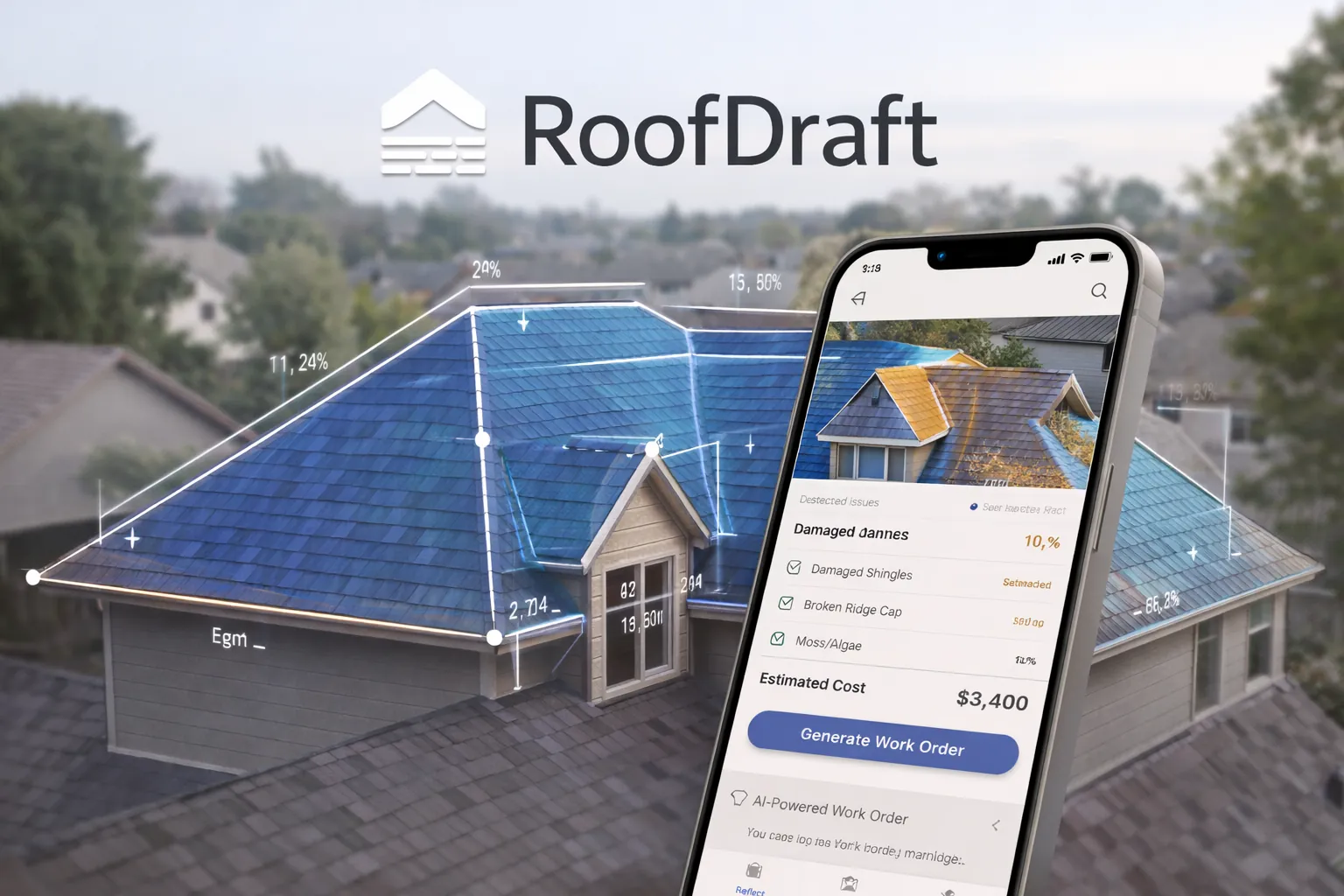
IRU-Assistant
AI companion surfacing guest context for hospitality staff.
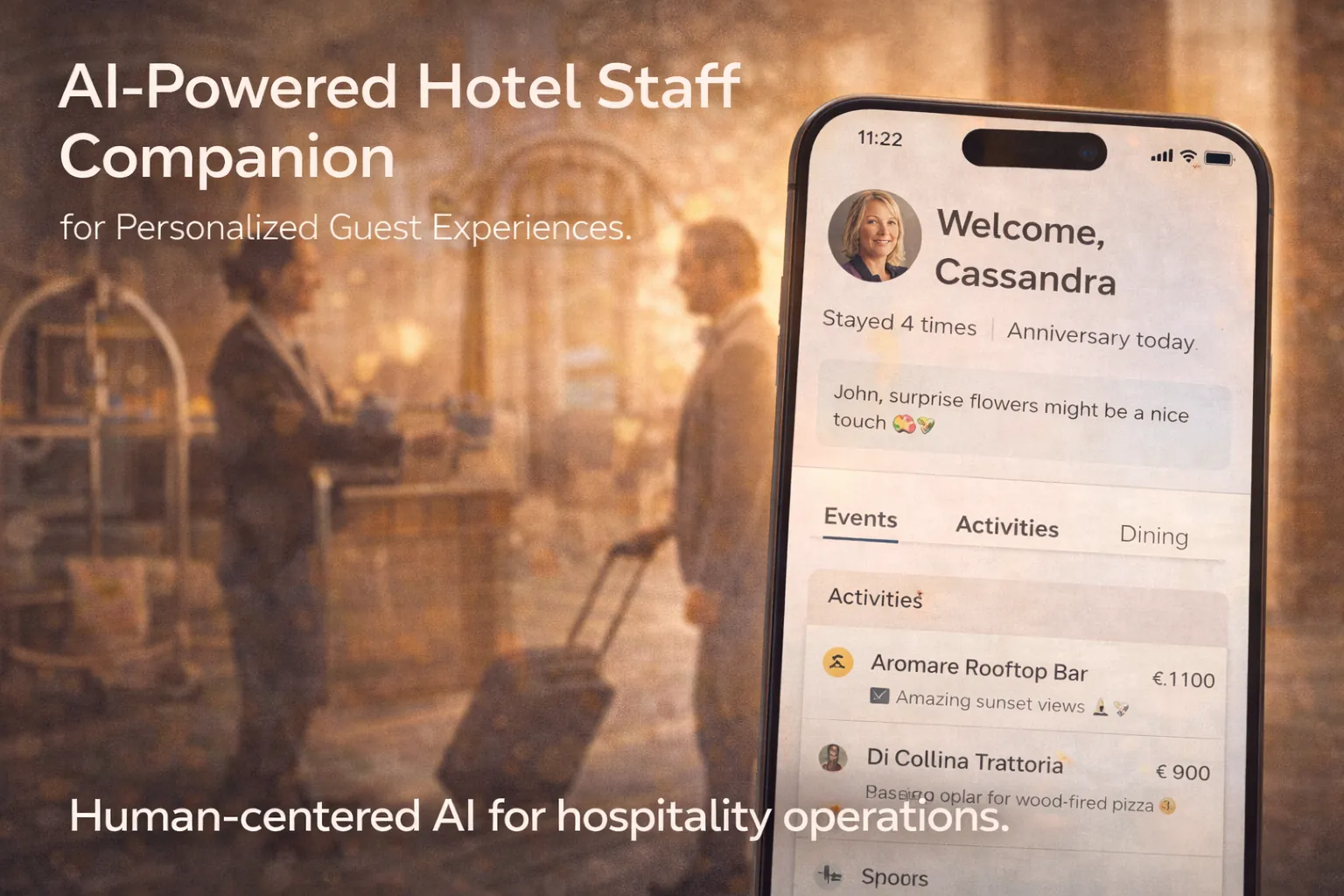
Problem Defined
"Guest preferences are buried in silos, causing reactive service."
Strategic Context
Staff lack access to immediate intelligence.
Competitive Imbalance
The data gap between expectation and reality degrades loyalty.
System Hypothesis
Real-time intelligence at the interaction point enables proactive service.
Process Architecture
How the system was designed, tested, and refined.
DEFINE
Surface guest context for hospitality staff without manual search.
- • Shadowed hotel staff
- • Audited PMS data silos
- • Identified preference gaps
- • Initial focus was on data collection rather than staff utility
- • Intelligence is useless if not delivered at the point of interaction
- • Shifted focus to real-time service nudges and context delivery
MAP
Map guest preference data to interaction touchpoints.
- • Mapped PMS data flow to staff mobile devices
- • Identified decision points during guest arrival
- • Maps didn't account for high-tempo breakfast/check-out peaks
- • Context delivery must be tiered by urgency
- • Created priority-based intelligence delivery logic
VALIDATE
Test preference-based service interventions.
- • Tested prototype with service teams
- • Measured staff confidence after briefings
- • Staff found long-form bios distracting during service
- • Information must be converted into actions, not just data
- • Switched from "Guest Bios" to "Suggested Nudges"
EXECUTE
Build the contextual intelligence interface.
- • Preference modeling engine
- • PMS integration layer
- • Nudge UI
- • Over-engineered the historical data parsing early on
- • Current context > Deep history for immediate service quality
- • Prioritized immediate visit data and active preferences
MEASURE
Measure guest NPS and staff operational confidence.
- • Guest NPS increase
- • Staff response time
- • Preference fulfillment rate
- • Early data was too anecdotal to confirm system shift
- • Briefing adoption is the best proxy for system trust
- • Introduced automated adoption tracking for briefings
Rule Application
How doctrine was operationalized.
Intellectual Rigor
01_INT- • Mapping PMS hierarchy before integration
- • Defining clear success metrics
18% increase in NPS achieved through structured briefings
Tactical Execution
02_TAC- • Shipping lean briefing interface first
- • Integrating with existing hardware
System operational on existing staff tablets in 3 weeks
Human Calibration
03_HUM- • Reducing cognitive load for front-line staff
- • Ensuring glanceable data delivery
Briefings reduced to <5 seconds of staff attention
Machine Leverage
04_AI- • AI synthesis of disparate guest data
- • Automated nudge generation
AI identifies high-value preference patterns without manual filter
Product Architecture
Preference modeling, PMS integration, contextual UI.
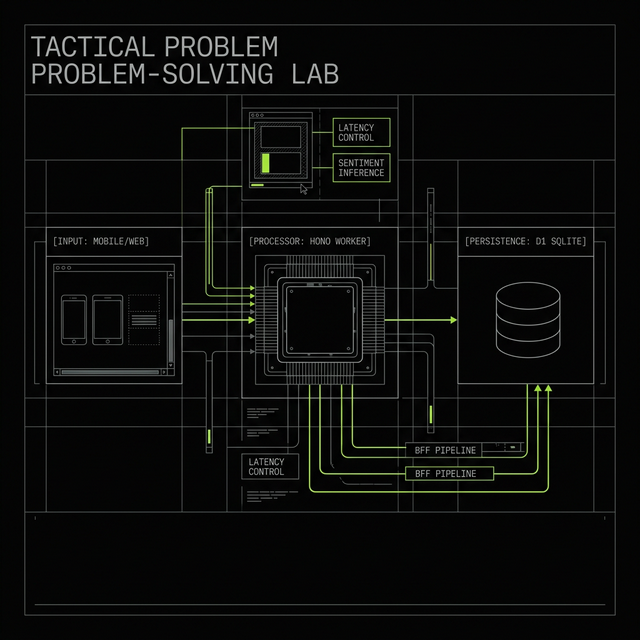
AI Leverage
Real-time synthesis for service nudges.
Outcomes & Learnings
Delivered personalized service without manual briefing.
Launch System